(816) 789-9401


Spring shows up in a funny way around here. One week, the lawn looks ready to grow, and the next week the mornings feel cold again. In Lee's Summit, MO, that back-and-forth weather is exactly why so many homeowners wonder if fertilizer is needed yet, or if it is too early. This blog breaks down what to look for, so the next lawn care step feels clear, not like a gamble.
Is It Time to Feed? April Lawn Care Signs to Watch
Fertilization Starts With Soil, Not Dates
A calendar can be helpful, but the soil is the real boss in early spring. Grass roots do not do much when the ground is still chilly, even if the top looks green for a few days. A homeowner can watch for more consistent growth, where the lawn starts needing attention again instead of just waking up in patches. In lawn care, that usually lines up with warmer afternoons and nights. Another good clue is simple: if a screwdriver slides into the ground without a fight, the soil is warming and softening healthily.
Some yards truly are ready earlier, and some are not, even on the same street. That often comes down to grass type, sun exposure, and how the yard was treated last fall. If a yard had a strong fall feeding, spring can be lighter because there is already a lot of stored energy in the roots. If fall work was skipped, spring fertilization can help, but it should still be measured and timed so the lawn does not surge too fast. Lawn care also depends on what is happening around the edges, like compacted spots near sidewalks or thin areas where water runs off. A basic soil test is a smart move because it tells the truth about which nutrients are missing, rather than guessing.
Landscaping Cues That Help Grass Wake Up Well
Nature gives few clues, and they can be easier to spot than people expect. When trees start leafing out and the yard looks more alive, the lawn usually follows right behind. A homeowner might also notice that the green color is spreading evenly rather than staying confined to small pockets. When that happens, it is a sign the lawn is moving from “barely awake” into “ready to grow.” If growth is still uneven, the yard may need cleanup and prep first, not more nutrients.
This is where basic landscaping habits help a lot, even before any product goes down. A light raking to lift matted grass can open the canopy and let the sun hit the soil, which warms it faster. Cleaning up sticks and leftover leaves also reduces moisture traps, and that matters in April when rain keeps returning. Lawn care gets easier when air and light can reach the base of the grass, because the turf dries out faster and holds up better. If there are thin spots, it may be less about fertilizer and more about traffic, shade, or drainage that needs to be addressed first. When those issues are handled, feeding the lawn later works better and lasts longer.

Lawn Care Fertilizer Options That Fit April Weather Swings
Comparing Spring Fertilization Feed Options
Not all fertilizers behave the same, and that matters in April when the weather can change fast. Quick-release nitrogen can push top growth hard, which sounds nice until the lawn starts growing faster than the roots can support. Slow-release products feed over time, which usually fits spring better because they are less likely to wash away during heavy rain. Lawn care decisions also depend on grass type, because cool-season turf like tall fescue reacts differently than warm-season lawns like zoysia.
Warm-season lawns deserve an extra note, because they can fool people in early spring. Zoysia can look tan and sleepy while other areas start greening up, and it does not need early feeding like other areas do. Applying fertilizer too soon to warm-season turf can lead to weak growth and patchy color later. It also tends to increase lawn-mowing pressure once the heat finally arrives, because growth can come in a rush. If the yard is a mix of grass types, the best plan may be split timing rather than one blanket application. That is why a quick inspection can save a homeowner from spending money in the wrong month.
Landscaping Habits That Keep Nutrients Useful
Even the best fertilizer will not do much if the yard is dealing with water issues. In April, runoff is common, especially on slopes or in areas with heavy clay soil. If fertilizer is applied right before a hard rain, the nutrients can run off target and end up where nobody wants them. Homeowners can help by checking downspouts, watching where puddles form, and correcting easy drainage issues that keep the lawn wet. In lawn care, a simple rule is that nutrients should soak in slowly, not slide away across the surface. That is also why watering after an application should be done carefully, not as a long soak that creates more runoff.
The edges of the lawn matter too, and they often get ignored. A clean edge line around beds and sidewalks keeps soil and mulch from creeping into the turf, and it also makes mowing easier later. In Blue Springs, MO, many properties have a mix of open sun and shaded pockets so that the yard can dry unevenly after rain. That can create spots where fertilizer works well and spots where it struggles, all in the same front yard. Lawn care is smoother when the yard is managed as a whole space, not just the middle. When sunlight, water flow, and traffic patterns are considered together, results tend to look more even and healthy.
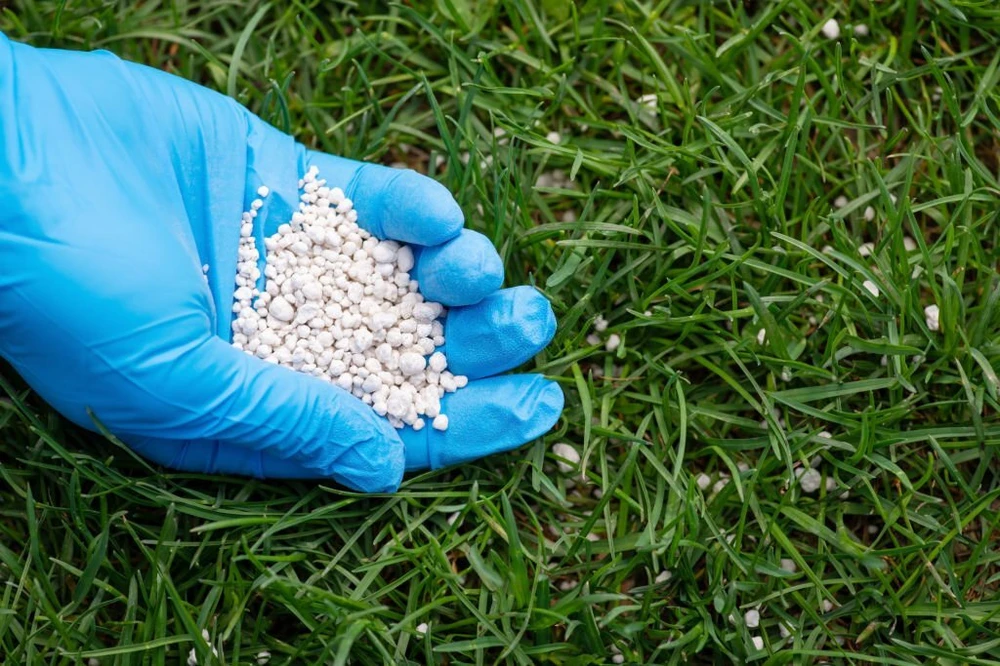
Lawn Care Mistakes That Make Spring Fertilizer A Waste
Fertilization Red Flags In Cool, Wet Weeks
There is a difference between a lawn that is waking up and a lawn that is truly ready to be fed. If the ground stays damp for days, fertilizer can sit where it should not. A homeowner might see a quick green-up and assume it was a success, but the lawn can end up with shallow roots and more disease pressure as the season warms. In Lee's Summit, MO, those cold-to-warm swings can bring early fungus issues, especially in thick areas that hold moisture. Lawn care in this stretch is often more about patience and monitoring conditions than rushing color. If the grass is still growing unevenly, or if there are soft spots that feel spongy, it may be better to wait.
Another red flag is heavy thatch and leftover winter debris. Fertilizer cannot work well when it gets caught in a layer of dead grass instead of reaching the soil. It also becomes easier to burn areas if a product sits on top and does not move down. Homeowners sometimes think they need more nutrients when the real issue is that the lawn needs air, light, and cleanup. Even something as simple as removing small piles of leaves can change how quickly turf dries out.
Landscaping Fixes Before Feeding Grass
Many spring lawn problems are not nutrient problems at all. Compacted soil near driveways and walkways can keep roots from spreading, even when fertilizer is applied at the perfect time. Low spots that hold water can create yellow patches, and those areas often look “hungry” even though the issue is drainage. In those situations, the best move is to correct the cause, because no product will fix standing water or packed soil on its own. It can also help to look at shade patterns, since trees start filling in quickly in April, and affect how the grass grows. When a lawn is struggling in the same place every year, the answer is usually hidden in conditions, not the bag.
Sometimes the simplest improvements make the biggest difference by late spring. A homeowner might correct a downspout splash area, loosen soil in a traffic lane, or adjust bed edges so water does not keep pooling. That kind of landscaping support helps the grass use nutrients properly when feeding time comes. In Blue Springs, MO, yards with heavier clay often benefit from small drainage corrections before any major spring applications, as they reduce washout.
Conclusion
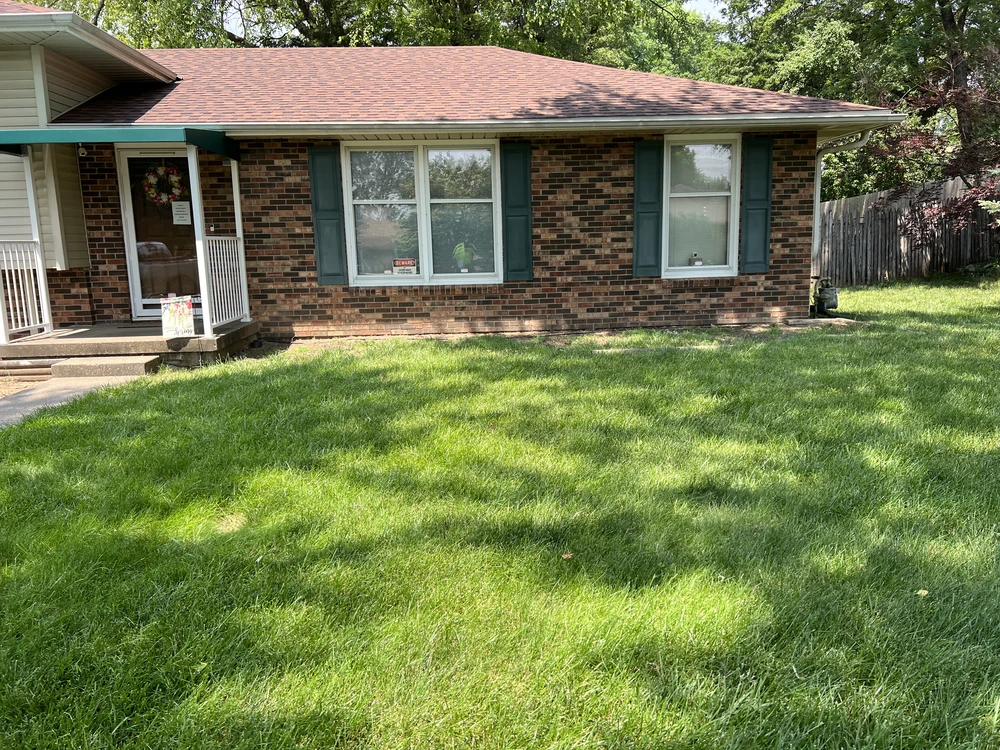
By April, it is normal for homeowners to want greener grass fast, but the best results usually come from reading the yard first. When soil is warming, growth is consistent, and the turf is drying out between rains, that is when lawn care moves from spring cleanup into feeding season. If it still feels early, waiting a little longer can help protect roots and reduce waste. We at LMD Solutions help homeowners get a clear plan, show up on time, and keep communication simple, so there are no unwanted surprises. If the lawn needs a spring plan that fits the property and the schedule, contact us, and we will help get it handled.