(816) 789-9401


April can make a yard feel like it is waking up, then falling back asleep again. In Lee's Summit, MO, that back-and-forth weather can expose problems that were easy to ignore all winter, especially in the mulch beds. A bed can look “fine” from the driveway, but still hold water, hide weeds, or block new growth. If any of that sounds familiar, this page will walk through what to look for and what to do next so that the yard can start spring on the right foot.
Optimizing Mulching for Missouri Spring Rain Cycles
Landscaping Signs Mulch Beds Need Help
A landscaping bed that is holding the yard back usually gives small warnings first. The color looks faded, the surface feels packed, and water sits on top instead of soaking in. When mulching was done years ago and never refreshed properly, it can turn into a thick layer that acts more like a sponge than a protective cover. That is when plants start struggling, even if they “should” be fine. New shoots push up, then stall, and the bed stays messy no matter how much someone rakes.
Sometimes the biggest clue is what happens after a spring rain. If the bed stays wet for days, the roots beneath the soil are not getting enough air, which can lead to root stress or rot. Mulching is supposed to help keep moisture consistent, not keep everything soaked. Homeowners also tend to notice more surface fungus or small gnats hovering near the soil. If the bed smells sour when disturbed, that is a strong hint that the layer is too thick or too old.
Fertilization Starts In Soil, Not On Top Yet!
It is tempting to throw in a quick fertilization treatment on the first warm weekend and call it done. But if the mulch layer is matted or too deep, the soil underneath may still be cold and soggy, and nutrients will not move the way people expect. Mulching and fertilization work best as a team, but the order matters. The bed needs to drain and warm up so roots can actually use what is being applied. Otherwise, the yard spends money and effort without seeing much change.
A better plan is to ensure the bed is in good shape before fertilization occurs. Mulching should be checked for depth, texture, and whether it is blocking the base of plants. If mulch is piled against stems or tree trunks, that moisture can cause bark damage and invite pests. Once the mulch is pulled back and refreshed properly, fertilization can be timed to coincide with new growth rather than being a guess. This is also a good moment to review irrigation coverage, because spring rains can mask dry pockets that show up later.

Achieving Ideal Mulching Depth for Weed Suppression
Landscaping Borders That Hold Mulch In Place!
Depth is where many mulching problems start. Too thin and the soil dries fast, temperature swings hit harder, and weeds pop up quickly. Too thick, and the bed holds water, hides insects, and makes plants struggle. In most home beds, a moderate layer is the goal, spread evenly, not dumped in piles. A fresh top layer can make a bed look finished, but it also protects roots when cold snaps still show up in April.
Edges matter more than people think, especially around sidewalks, driveways, and patios. A clean edge keeps mulch from washing onto hard surfaces and keeps the bed shape clear. It also makes maintenance easier because the mower line is obvious, and grass is less likely to creep into the bed. Mulching looks best when the edge is crisp, and the bed has a defined boundary. Homeowners in Lee's Summit, MO often notice that one sharp edge makes the whole front yard look more cared for, even before flowers really take off.
Timing Fertilization and Watering with New Mulch
Once mulching is corrected, fertilization becomes much easier to time. If the bed is refreshed and the soil can breathe, a spring feeding can support stronger root growth and better color. A common mistake is applying fertilizer and then piling on mulch afterward, which can reduce the evenness with which water and nutrients move through the top layer. It does not mean fertilization will fail; it just means results can be uneven. A small change in timing can make a bigger difference than buying a stronger product.
Watering is the next piece that gets overlooked. After mulching, a deep soak helps settle the material and reduces dry pockets, but it should not turn the bed into mud. If rain is already coming through, watering can be adjusted rather than automatically added. This is also where weed control fits naturally, because a correctly mulched bed blocks light from reaching many weed seeds. With good mulching and sensible watering, weed control feels less like a battle and more like simple upkeep.
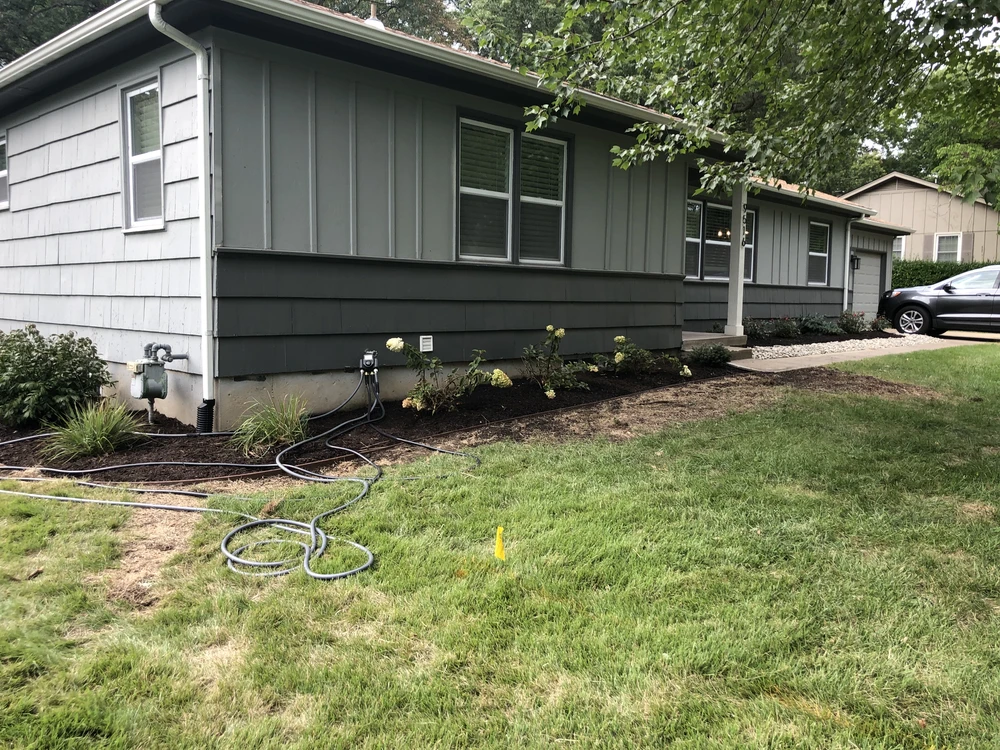
Implementing a Seasonal Mulching Refresh Plan
Landscaping Mistakes That Smother Plants Fast
One of the most common landscaping issues seen in spring is mulch piled too close to plants. It is usually done with good intentions, because people want beds to look full and tidy. But when mulching creates a mound around trunks or crowns, it traps moisture where it should not be trapped. That can weaken shrubs over time and stress young trees when they should be putting energy into new leaves. The fix is simple, but it needs to be done carefully so the roots are not disturbed.
Another landscaping mistake is never removing debris before mulching again. Leaves, twigs, and last year’s dead growth can form a hidden layer that blocks water flow. When fresh mulch is applied, the bed may look clean, but the soil underneath stays messy. That is when weeds and fungi get comfortable. In Blue Springs, MO, many yards also deal with heavier soil that holds moisture longer, so bed cleanup matters even more before mulching is added.
Fertilization Helps Mulch, But Mulch Helps Us
Mulching does a lot of work that homeowners do not always notice day to day. It softens soil temperature swings, reduces splash on plant leaves during storms, and cuts down on how often beds need watering in summer. When mulching is done correctly, fertilization tends to perform better, too, because roots are less stressed and soil life is more active. There is a clear difference between a bed that is protected and a bed that is buried. The goal is protection, not suffocation.
A refresh plan can be simple, but it should match the yard’s needs. Some beds only need a light top layer and a quick edge clean-up. Others need old material thinned out first, especially if the bed has been built up year after year. Mulching is also a smart time to check the grading near the foundation, because water should drain away from the home, not sit in the front bed. Many homeowners around Blue Springs, MO, like to address this early so that summer storms do not expose drainage problems later.

Conclusion
If the mulch beds are holding the yard back, spring is the best time to catch it and fix it before the growing season takes off. The right mulching depth, clean edges, and a sensible fertilization plan can bring beds back to life without turning the whole yard into a project that drags on. That is exactly the kind of work we handle every week at LMD Solutions. We show up on time, we keep the plan clear so there are no unwanted surprises, and we are the local go-to when a yard needs real care, not a quick cover-up. Reach out when you are ready, and we will help get those beds looking clean and working properly.