(816) 789-9401


New sod can look beautiful on the first day, but that fresh green look does not always mean the grass has rooted well. In Lee's Summit, MO, July can put a new lawn through heat, thick clay soil, hard rains, and dry afternoons all in the same week. Homeowners in Blue Springs, MO often see the same thing: sod looks fine at first, then the corners lift, seams dry out, or the lawn feels soft after watering. This blog will explain what sod installation requires to ensure it takes root well in clay-heavy lawns, so keep reading before starting your next lawn project.
How Sod Installation Soil Prep Helps Clay Lawns Take Root
Landscaping Starts Below The Surface
With clay-heavy lawns, the most important work happens before the grass is ever unrolled. Clay can hold water for too long, then dry into a firm crust after several hot days. That creates a confusing yard for new roots because the surface may look dry while the soil underneath is still packed and wet. Good landscaping preparation opens the top layer so roots can move down rather than stay near the backing of the sod. For sod installation, the crew should correct low spots, loosen compacted soil, and ensure water has a place to drain after a storm. This matters even more in yards that have seen construction equipment, pet traffic, worn paths, or years of patchy grass growth.
Homeowners may be tempted to skip soil prep because new sod can make a yard look finished right away. But a fresh green sheet sitting on hard clay is a little like placing carpet over a bumpy floor. It can look nice on top while the problems underneath stay there. In Lee's Summit, MO, lawns on clay need a prepared soil surface with adequate contact between the sod and the ground. Small air pockets under the rolls can dry roots out in July, especially along edges and seams. A dependable sod installation starts by treating the soil as part of the project, not as an afterthought.
Lawn Care Begins Before The First Roll
Lawn care does not start after the sod turns green. It starts with the way the yard is graded, raked, and watered before the first roll goes down. The soil should be firm enough to walk on without sinking, but not so packed that roots cannot enter it. If the ground is too loose, the sod can settle unevenly after watering or summer storms. If the ground is too hard, roots may stay shallow and struggle during hot afternoons. That is why sod installation requires a clean, level soil bed with the right firmness.
There is also the matter of what gets added to the soil. Heavy clay does not always require a large amount of product to be mixed in, but it often benefits from improved surface preparation and careful grading. A starter fertilizer may help when used correctly, but overfeeding in July can stress new grass rather than helping it settle. The better goal is to create a root zone that holds moisture without trapping the sod in soggy soil. Lawn care works best when the grass can take up water, use it, and then let excess moisture drain away. That balance makes sod installation much more successful for clay-heavy lawns.
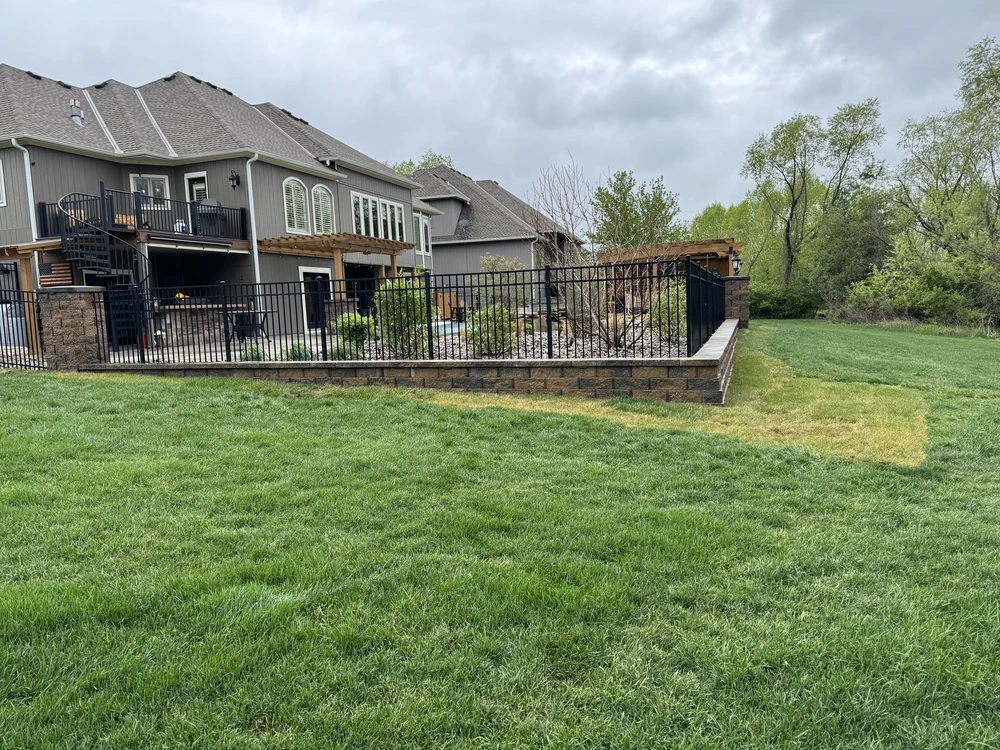
Why Sod Installation Needs Care Through July Weather
Landscaping Needs Balanced Watering
July can be tricky because a new lawn needs water, but clay soil can punish a heavy hand. The top may dry quickly in the sun and wind, while the lower layer still feels wet and heavy. A homeowner may think more water is the answer, only to end up with puddles, soft seams, or roots that do not want to travel downward. For sod installation in clay soil, watering should keep the sod moist without leaving the yard muddy for hours. Early-morning watering usually helps the grass absorb moisture before the strongest heat arrives. Evening soaking can cause problems when the lawn stays wet overnight, especially in areas with poor air movement or shade.
The first week after sod installation is usually the most sensitive time. The sod needs frequent attention because the roots have not yet connected with the soil. A simple corner check can tell a lot, since loose sod means the roots still need time. If the corner lifts easily and the soil below is dry, the lawn likely needs water. If the corner lifts and the ground below feels slick or soggy, the watering may be too heavy. A yard in Blue Springs, MO can dry on top while the clay underneath still holds moisture, so checking the soil matters more than guessing from the grass color alone.
Lawn Care During The First Month
The first month of lawn care after new sod is not the time to do everything at once. It is about helping the grass settle without stressing it before the roots are ready. Foot traffic should be kept to a minimum, especially when the soil is wet from watering or a storm. Heavy use can press the sod into uneven spots, open seams, and leave low marks that hold water later. Lawn mowing should wait until the roots have taken hold and the grass has reached a sufficient height for a clean cut. Cutting too early can pull at the sod and undo some of the good work already done.
After the first couple of weeks, the lawn may start to feel more attached to the soil. That does not mean the job is finished. Sod installation still needs careful follow-up because clay-heavy lawns can change fast after heat, rain, and regular yard use. Edges near driveways, sidewalks, and beds often dry faster than the middle of the lawn. Shaded spots may stay damp longer and should not always get the same amount of water as full-sun areas. Good lawn care pays attention to those small differences so the whole yard roots in more evenly.
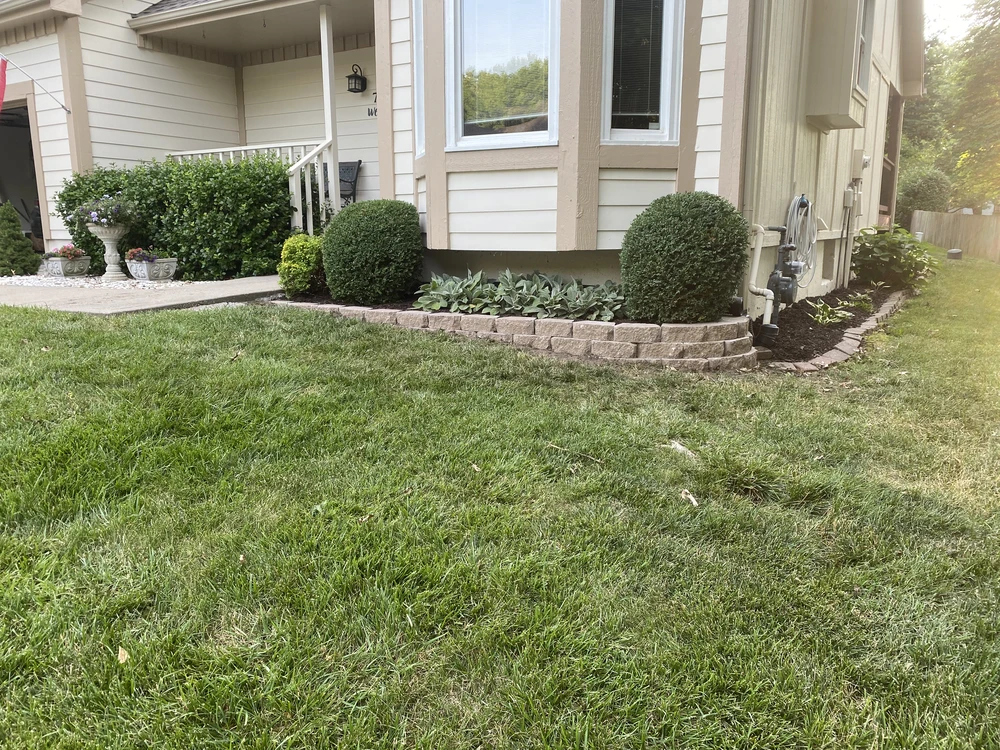
Sod Installation Aftercare For A Lawn That Fills In Well
Landscaping Edges Need Extra Attention
Edges are often where new sod struggles first. The pieces near sidewalks, patios, driveways, and landscaping beds are more exposed to heat and airflow than the center of the yard. They can dry from the side, not just from the top, which is why seams and corners need extra checking in July. A strong sod installation should include tight seams, clean cuts, and good soil contact along every border. If an edge is tucked poorly or sits above the soil, it may brown before the rest of the lawn shows any problem. This is one reason careful installation matters just as much as watering.
Landscaping around the new sod can also affect how well it roots. Beds that sit too high may spill mulch or soil over the sod after a storm. Hard edges that block water can trap runoff in one area and leave another part too dry. Downspouts, patio slopes, and compacted walkways can also change how water moves through the yard. In Blue Springs, MO, many homes have outdoor areas where lawn edges meet patios, fences, or planting beds in tight spaces. Those details should be checked during sod installation so the lawn does not fight drainage problems from day one.
Root Checks Help Guide Lawn Care
One of the easiest ways to judge new sod is to test how it feels when lifted gently at the edge. If the sod comes up like a loose rug, the roots have not yet taken hold. If there is some resistance, it usually means the roots are beginning to take hold in the soil. This kind of root check helps guide watering, foot traffic, and the timing of the first cut. It also helps homeowners avoid guessing based only on the color of the grass. Sod installation works better when the aftercare is based on what the lawn is actually doing.
The first lawn mowing should be handled with care once the grass is rooted enough and tall enough. The mower blades should be sharp, and the grass should not be cut too short. Removing too much height at once can stress new sod, especially during July heat. A higher cut helps shade the soil surface and keeps moisture from leaving too fast. Lawn care should continue with careful watering adjustments as the roots grow deeper. When sod installation is followed by patient aftercare, a clay-heavy lawn has a much better chance of becoming full, green, and easier to maintain.
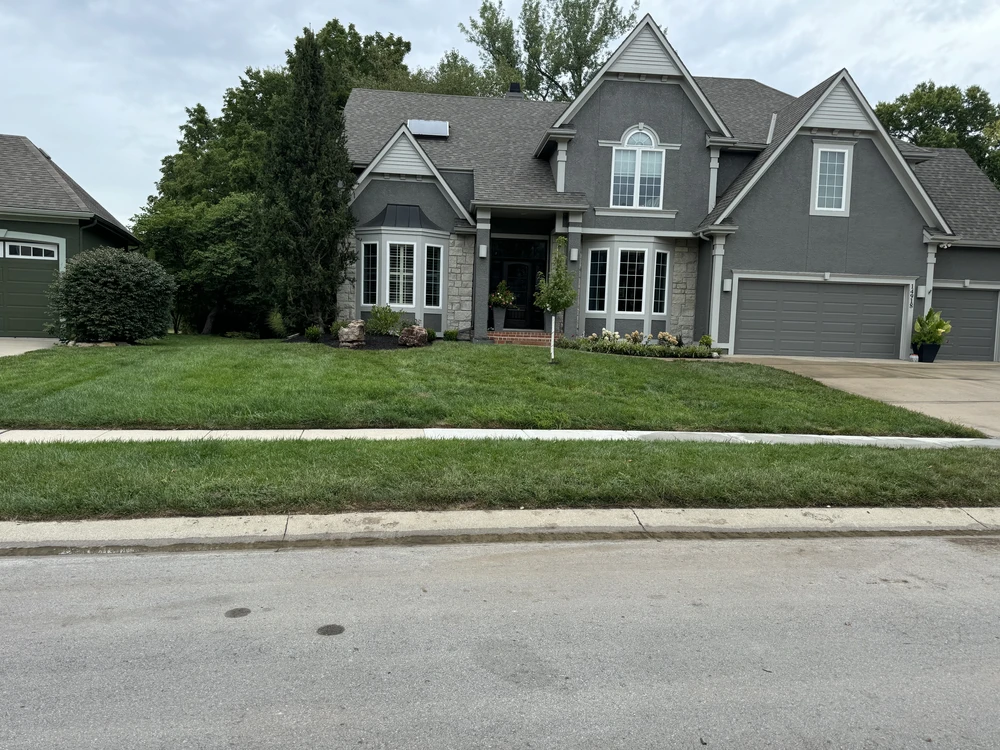
Conclusion
Sod can give a yard a fresh start, but clay-heavy soil needs more care than simply rolling grass over the ground. The best results come from good prep, proper water habits, clean edges, and enough patience for the roots to settle in. At LMD Solutions, we understand how much homeowners want the job done correctly, on time, and without unwanted surprises. We are proud to be a local go-to for dependable outdoor services, and we take the details seriously because those details affect how the lawn looks weeks after installation. Contact us today to talk with our team about your yard and what it may need next.