(816) 789-9401


Are you trying to decide between mulch and decorative rock for your landscape beds? It can feel like a simple choice at first, but once the June heat, heavy rain, and weed pressure show up, the material starts to matter much more. In Blue Springs, MO, many homeowners want beds that look clean without becoming another weekend chore. Homeowners in Lee's Summit, MO, often run into the same question when they want landscaping that holds up around their homes, patios, and walkways. This blog will walk through how mulching compares to decorative rock so you can choose what works better for your yard.
Mulching For Cooler Soil And Healthier Summer Landscaping
Landscaping Beds Need Moisture Help
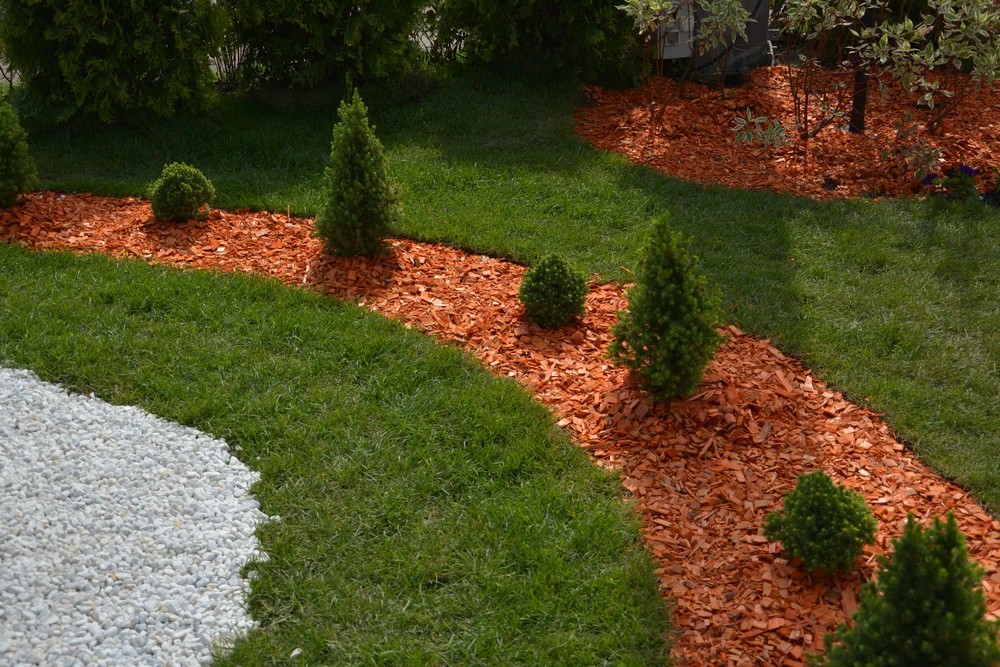
Mulching is one of the most common choices for landscape beds because it helps protect the soil from direct summer heat. During June, the sun can dry the top layer of soil fast, especially around young shrubs, perennials, and fresh plantings. Mulch acts like a cover that slows moisture loss and keeps roots from getting stressed too soon after watering. This can be helpful for homeowners who want their landscaping to stay fuller through the hot part of the season. It also gives beds a softer, finished look that works well with many home styles. Decorative rock can look crisp, but it does not help the soil in the same way.
A good mulching layer can also help with weed control when it is installed at the right depth. It does not mean weeds will never appear, but it can make it harder for weed seeds to reach the soil and grow quickly. In Blue Springs, MO, summer storms can push seeds into open soil, so coverage matters. Mulch also breaks down over time, which can improve the bed as organic matter returns to the ground. That is a real advantage for plant health, not just curb appeal. If your goal is to support growing plants, mulching usually has the stronger case.
Decorative Rock Can Heat Patio Borders
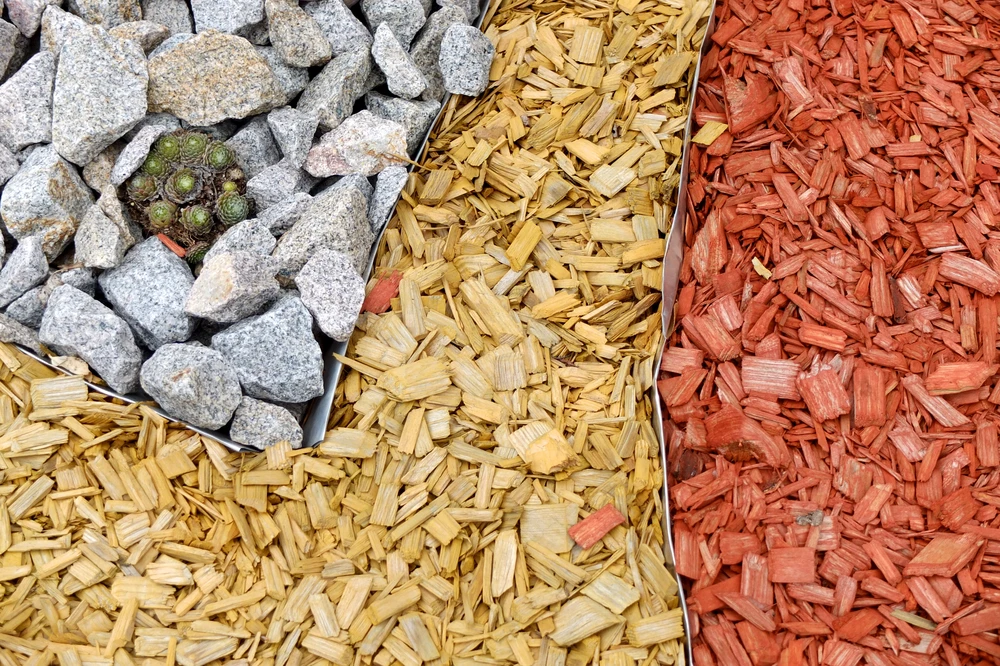
Decorative rock has its own appeal because it can last longer than mulch and does not need to be refreshed as often. Some homeowners like it because it stays in place better in certain beds and gives a more polished look around entryways. It can be a good fit for areas where plants are sparse or where the main goal is a clean border instead of building healthier soil. However, rock can absorb and hold heat during hot summer days. That extra heat can make the soil warmer around roots, which can be tough on plants that already struggle in dry weather. This is one reason it may not be the best choice for every bed.
There is also the issue of long-term changes. Once decorative rock settles into a bed, removing it later can be a lot more work than refreshing mulching. Soil, leaves, and plant debris can fall between the stones, which eventually creates a place for weeds to grow. If the fabric beneath the rock begins to break down, the bed can become harder to maintain. Decorative rock is not a bad material, but it should be placed where it truly makes sense. When plants need cooler roots and better soil protection, mulch is often the friendlier option.
Mulching Around Patios And Walkways Without Messy Edges
Patios Need Clean Bed Borders
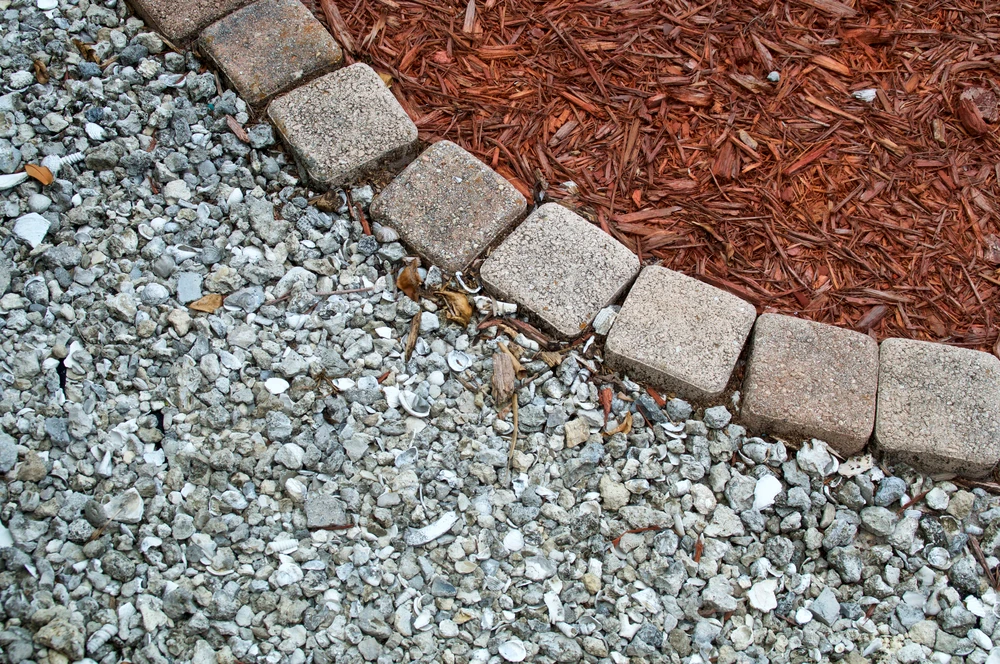
Mulching can work very well near patios when the bed edge is shaped properly. A clean edge helps keep the mulch in the bed rather than letting it spill onto pavers, concrete, or stepping stones. This matters because patios are meant to be used, not brushed off every time it rains. If the bed is too high, mulch can wash onto the surface, making the area look messy. If the bed is too low, water may collect along the edge and move material out of place. A good installation looks at the bed height, slope, and material depth together.
Around Lee's Summit, MO, many homes have outdoor spaces with patios that connect directly to planting beds. That can look beautiful when everything is balanced, but it can also show every small mistake. Mulching near a seating area should feel neat, not scattered. It is also helpful to choose the right mulch texture because some lighter materials move more during heavy rain. A darker hardwood mulch can create a rich contrast against stone or concrete, while still protecting plant roots. With the right edge work, mulching can make patios feel more finished rather than high-maintenance.
Dry Spots Benefit From Rock Landscaping
Decorative rock may work better near patios when the area is dry, open, and not packed with moisture-loving plants. It can be helpful around narrow strips where mulch may wash out, or in beds where the homeowner wants a firmer surface between hardscaping and plantings. Rock can also be a practical choice near drainage features, such as French drains, because water can move through it more easily when the base is properly built. Still, that does not mean rock should be used in every spot with water concerns. The full layout has to be considered before choosing the material.
Patios also bring heat into the picture. Stone, concrete, and pavers can already hold warmth, and decorative rock beside them can add even more heat to nearby plants. This is not always a problem for drought-tolerant plantings, but it can be hard on softer shrubs and flowers. Mulching may be better if the bed includes plants that need a cooler root area. A homeowner should also think about how the space is used. If kids, pets, or guests walk near the bed, rock may scatter onto the patio, while mulch may need edging to stay in place. Neither choice is perfect, but the right one depends on the exact space.
Mulching Plans That Keep Beds Easier To Care For
Landscaping Goals Shape The Choice
The best choice between mulch and rock usually starts with the bed's purpose. If the bed is filled with shrubs, flowers, and plants that need healthy soil, mulching tends to support that goal better. If the bed is more decorative and has fewer plants, rock may be a good option. Homeowners sometimes choose rock for less yearly maintenance, but it is not maintenance-free. Leaves, dust, weeds, and soil can settle into rock beds, and cleaning them can be frustrating. Mulch needs refreshing, but it is usually easier to change, remove, or adjust when the landscaping grows.
Cost can also shift over time. Decorative rock may cost more upfront due to the materials and labor involved. Mulching may cost less at first, but it usually needs to be topped off from season to season. That can actually be a benefit if you like changing the look of your beds or need to improve the soil around plants. Mulch gives more flexibility when shrubs mature, bed lines change, or new plantings are added. Rock is more permanent, which can be good or bad depending on the yard. Before choosing, it helps to think beyond this summer and picture how the bed should look in a few years.
Patios And Plantings Need Balance
A yard with patios, walkways, and planting beds should feel connected. If decorative rock is used in one area and mulch in another, the materials should still make sense together. For example, rock may fit well along a dry border near a hard surface, while mulching may be better around shrubs that need more root protection. Mixing materials can work, but it should not look random. The color, texture, and placement should match the home and how the outdoor space is used. This is where a local eye can make a big difference.
For homeowners in Blue Springs, MO, June is a good time to examine how beds handle rain and heat closely. If mulch washes out, the bed may need a better edge or grade, not just a different material. If rock beds look hot and plants look stressed, the problem may be the choice of material. In some yards, mulching can also help reduce watering needs around plants, especially when irrigation is already part of the lawn care setup. A dependable plan should not create unwanted surprises later. It should make the yard easier to care for and help the beds look right throughout the season.
Conclusion
Choosing between mulch and decorative rock is really about what your landscape beds need most. Mulching is often better for plant health, soil moisture, and a softer finished look, while decorative rock can work in dry areas where long-term coverage matters more than soil improvement. At LMD Solutions, we understand that homeowners want work done on time, clear expectations, and a local team they can trust. We are proud to be your local go-to for services that keep your yard looking cared for, without unwanted surprises. Contact us today to talk about the best bed material for your home.