(816) 789-9401


March can feel a little confusing for a yard. One week brings mild weather days and muddy corners, then the next week drops back into cold nights that slow everything down. In Lee’s Summit, MO, this is when landscaping either gets a helpful head start or it gets beaten up before new growth even has a chance. The good news is that early spring prep doesn't have to be complicated and can make the whole season look better. Keep reading to learn what to check first, what to hold off on, and how to set up healthier growth.
Optimizing Landscaping for Soil Warm-Up and Root Health
Drainage Checks For Soggy Spots In March Yards
When soil stays wet for too long, it stays colder, and roots stay less active. That is why the first job in March is not always raking or trimming, it is noticing where water sits after a thaw or rain. If puddles keep showing up in the same place, that is a drainage clue, and it usually points to a low spot, a blocked swale, or a downspout dumping water where it should not. A homeowner can walk the yard after a rain and look for shinier soil, standing water, or areas that feel soft underfoot. Catching these patterns early helps the landscaping bounce back faster once the weather turns.
Downspouts are a big part of the story, and they are easy to overlook because they “seem fine” in winter. In spring, a short downspout can send a lot of roof water straight into a bed or across the lawn, and the soil can get hammered before grass is even growing. Extensions, splash blocks, or re-aiming the outlet can make a bigger difference than people expect. This is also a good time to check walkway edges and steps, as water can wash soil onto them, creating a slippery mess. A clean, stable surface around the entry helps the yard feel cared for, and it supports the rest of the landscaping work that follows.
Lawn Care Strategies for Early Spring Root Protection
It is tempting to rush outside and “clean everything up” the first decent weekend in March. The tricky part is that wet turf tears easily, and heavy raking can pull up grass that was already stressed from winter. A better approach is to wait until the top layer is no longer squishy, then use a light rake to lift leaves and matted areas without scraping the soil. If a yard has thin areas, this gentle cleanup helps sunlight reach the grass without creating bare patches. It also sets the stage for later work, such as overseeding, without making the lawn look rough beforehand.
Early spring is also the moment to look at the edges: where beds meet grass, where mulch washed out, and where soil got pushed by snow piles. Cleaning up bed lines and removing broken stems makes everything look sharper, even before flowers show up. It helps to be realistic here, too. Some plants need time, and cutting too much too early can lead to dieback when cold nights return. A homeowner who wants a stronger start will focus on simple prep that protects roots and crowns, then let warmer weather guide the rest of the landscaping choices.
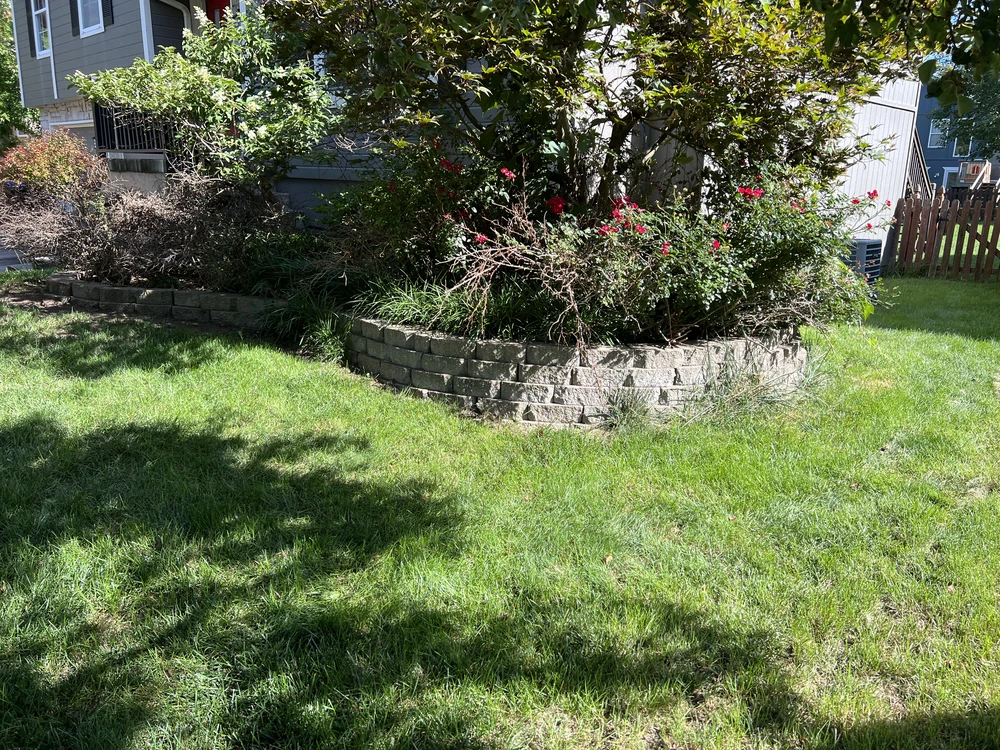
Managing Spring Drainage within Your Landscape Design
Drainage Fixes For Downspout Flow And Low Areas
Spring rain in Missouri can come on fast, and it can turn a decent yard into a muddy mess if water has nowhere to go. Many properties have one section that always stays wetter, like the side yard near the fence or the spot at the bottom of a slight slope. In Blue Springs, MO, this is common in newer neighborhoods where grading is subtle but still matters, especially when multiple yards move water in the same direction. One smart habit is to watch where runoff travels during a storm, not just where puddles form after. That little observation helps homeowners plan landscaping changes that actually solve the issue rather than just hide it.
If a low area keeps the yard soggy for days, that is when bigger solutions start to make sense. French drains are often used for this because they collect water below the surface and convey it toward a better outlet. They are not the right choice for every situation, and they need to be installed at the right depth and slope to do their job. For some homes, a small regrade and a new downspout outlet are enough, while others need a drain system because the soil holds water like a sponge. This is where skilled landscaping planning helps, because the goal is not just to move water today, it is to protect the yard for the whole season.
Optimizing Lawn Care Timing for Missouri Temperature Swings
Grass does not behave like a light switch in March. It wakes up slowly, and cold nights can stall growth even when the days feel pleasant. That is why timing matters with early tasks like dethatching, aeration, or heavy foot traffic in soft areas. If the soil is still saturated, machines can leave ruts that take months to grow out. A homeowner who wants a better start will choose gentler steps first, then save more aggressive work for when the ground firms up.
This is also a good month to pay attention to hard surfaces that collect grit and salt from winter. Cleaning off pavers near the entry keeps sand from washing into the lawn and keeps beds from getting crusty along the edges. It also helps to rinse the area lightly when the weather allows, because salty runoff can stress grass right where it is trying to wake up. In Lee’s Summit, MO, many yards have a mix of sun and shade, and the shady areas stay damp longer, so they often need more patience. Simple, well-timed landscaping care here prevents a lot of patchy recovery later on.
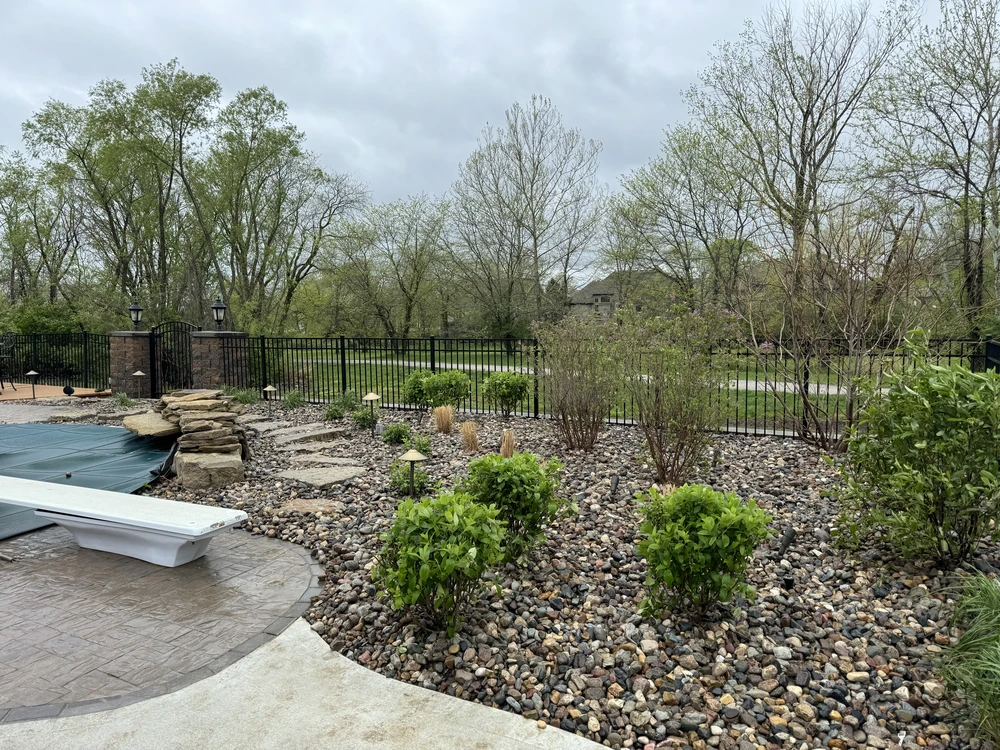
Integrating Lawn Care into Your Total Landscape Plan
Preventing Bed Soil Erosion with Better Drainage
When spring rain hits bare soil, it can wash bedding soil onto the grass, leaving plants sitting in a shallow trench. That is why bed edges matter more than most people think in early spring. A clean, defined edge helps hold soil in place and guide water where it should go, rather than letting it carve a channel across the yard. Even small adjustments, like resetting a few stones or repairing a low edge, can protect a bed for the rest of the season. This kind of landscaping detail is not flashy, but it keeps the whole yard looking cleaner.
Beds near the house also deserve a closer look because roof runoff and splash can slowly move soil away from plant roots. If mulch is thin in these areas, adding a fresh layer helps protect the soil surface and reduces mess when rain pounds the ground. Homeowners should also check where water hits the bed line, because that is where washouts start. In Blue Springs, MO, many yards have sloped sections that quickly send water, and those beds benefit from extra support at the edges. When landscaping is built to handle water movement, early spring growth comes in more even, and plants look less stressed.
Essential Lawn Care Cleanup for Consistent Turf Growth
The best early spring cleanup is the one that makes a yard healthier, not just “neat.” That means removing winter debris, breaking up matted grass, and clearing beds without crushing soft ground. It also means knowing when to stop, because a yard can look unfinished in March and still be on track. Lawn care is a season-long process, and the early steps should support what will happen in April and May. A homeowner who keeps that in mind usually ends up with fewer thin patches and fewer weeds later on.
Lawn mowing is another area where patience pays off. If mowing starts too early, the turf can be cut while it is still weak, which can stress it just when it needs energy for new growth. Waiting until the grass is consistently growing and the ground is not soft helps the mower avoid ruts and the lawn thicken up naturally. It is also a great time to review the overall yard layout and ask a simple question: Does this space function the way the homeowner wants it to in the summer? Thoughtful landscaping can shape that answer, whether it is a cleaner bed line, a better path, or a refreshed planting area that feels like a true backyard sanctuary.
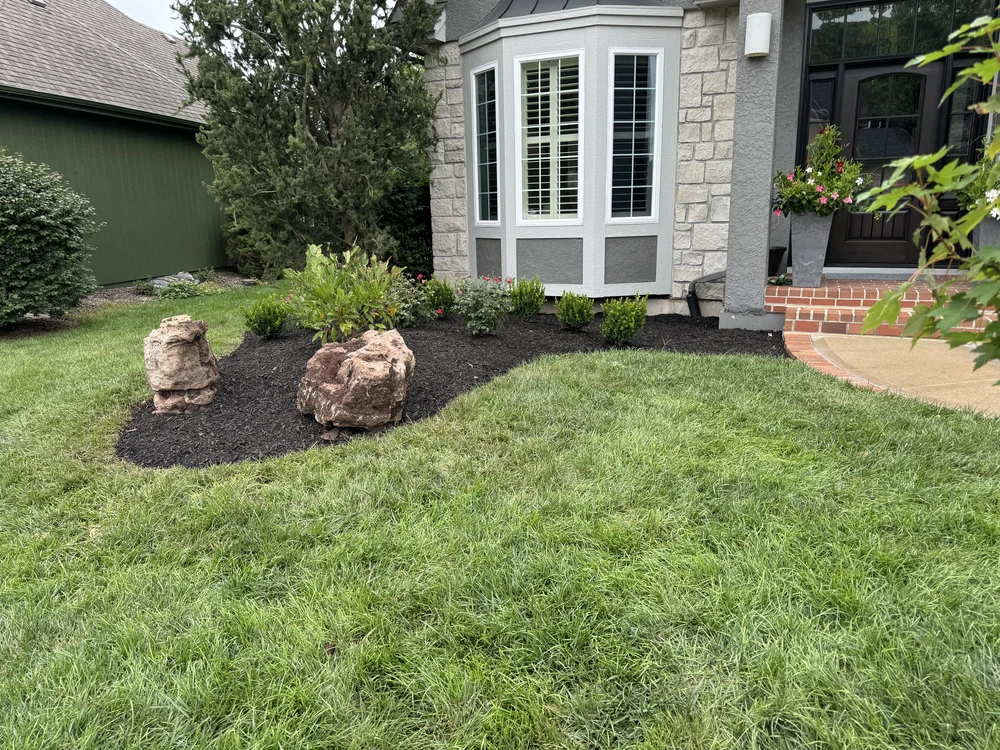
Conclusion
Early spring prep is not about rushing through chores; it is about setting the yard up so new growth has fewer obstacles. When soil is protected, water is directed properly, and timing is respected, landscaping looks better and stays healthier for longer. If a homeowner wants help planning a stronger start for spring, we at LMD Solutions are ready to take a look and offer clear options that fit the property. Contact us today, and we will help your landscaping start the season on the right foot.